
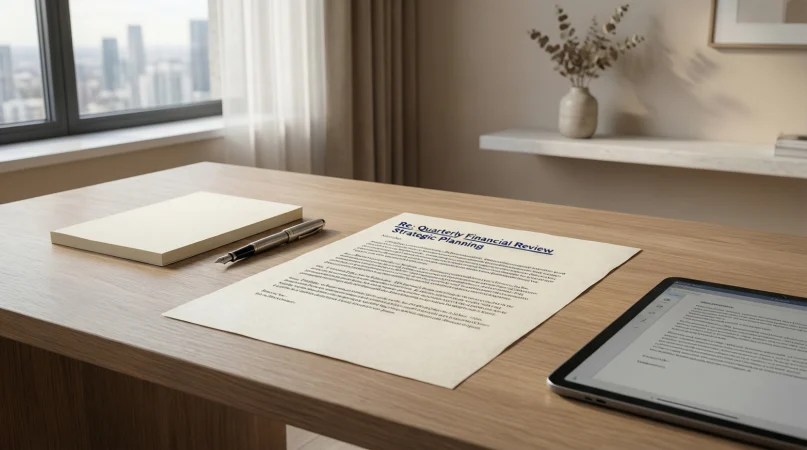
Definition:
“Re” in a letter means “regarding” or “in reference to.” It is used to indicate the subject or topic of the letter, usually placed in the subject line or near the beginning of formal and professional correspondence.
You’ve probably seen “Re:” at the top of a letter, email, or legal document and thought, “What does that actually mean? It’s short, easy to miss, and often misunderstood but “Re” plays a powerful role in written communication.
Whether you’re writing a business letter, replying to a formal notice, drafting a legal document, or sending a professional email, understanding what “Re” means in a letter helps you sound clearer, more confident, and more professional.
In this in-depth guide, we’ll break it all down in plain English what “Re” means, where it comes from, how to use it correctly, when to avoid it, and what alternatives you can use instead. We’ll also include real-world examples, tone tips, comparisons, FAQs, and practical advice you can apply immediately.
What Does “Re” Mean in a Letter?
In letters and emails, “Re” means “regarding,” “concerning,” or “in reference to.” It tells the reader what the letter is about before they start reading the full message.
Simple explanation:
Think of “Re” as a topic label. It answers the question:
👉 What is this letter about?
Common placement:
- After the greeting
- Below the recipient’s address
- In the subject line
- At the top of legal or formal letters
Example:
Re: Job Application for Marketing Manager
This means:
👉 This letter is regarding the job application for Marketing Manager.
The Origin of “Re” in Letters
The word “Re” comes from Latin, specifically from the phrase:
“In re”, meaning “in the matter of”
Historical background:
- Widely used in legal documents
- Adopted into business correspondence
- Later became common in emails and memos
Over time, “Re” became shorthand for clearly signaling the subject of a written communication especially in formal or professional settings.
Why Is “Re” So Popular in Professional Writing?
“Re” remains popular because it is:
- Concise – just two letters
- Professional – widely accepted in business and legal writing
- Clear – instantly signals the topic
- Universal – understood across industries
Common fields where “Re” is used:
- Business letters
- Legal notices
- Government correspondence
- Academic communication
- Formal emails
Even in today’s digital world, “Re” continues to signal structure, clarity, and seriousness.
How to Use “Re” Correctly in a Letter
Using “Re” is simple, but placement and tone matter.
Basic format:
Re: + Subject
Examples:
- Re: Invoice #4589
- Re: Meeting Scheduled for March 10
- Re: Complaint Regarding Service Delay
Capitalization tips:
- Both “Re” and “RE” are acceptable
- Consistency matters more than style
- Avoid mixing styles in the same document
Labeled Example Table: “Re” in Real Letters
| Letter Type | Example Usage | Purpose |
| Business Letter | Re: Contract Renewal | Clarifies subject |
| Legal Letter | Re: Case No. 2025/117 | Identifies legal matter |
| Job Application | Re: Application for Sales Associate | States intent |
| Complaint Letter | Re: Product Defect Complaint | Highlights issue |
| Email Reply | Re: Meeting Follow-Up | References earlier message |
“Re” in Emails vs. Letters: Is There a Difference?
Yes, context changes how “Re” is used.
In traditional letters:
- Usually written manually
- Placed below the greeting or recipient details
- Often formal
In emails:
- Automatically added in replies (Re:)
- Indicates response to an earlier message
- Less formal, but still professional
Email example:
Subject: Re: Project Deadline Update
This means the email is a reply related to the original topic.
Tone Explained: Can “Re” Sound Friendly or Cold?
“Re” itself is neutral, but tone depends on context and wording.
Neutral / Professional:
Re: Payment Confirmation
Friendly (paired with warm language):
Re: Catching Up on Our Project 😊
Formal or Serious:
Re: Notice of Policy Violation
Slightly cold or dismissive (rare but possible):
Re: As Previously Informed
Tip:
If you want warmth, add polite wording after the subject line. “Re” doesn’t replace kindness it just sets the topic.
Common Mistakes to Avoid When Using “Re”
Even simple terms can be misused. Watch out for these mistakes:
- ❌ Using “Re” without a clear subject
- ❌ Writing overly long “Re” lines
- ❌ Using “Re” in casual texts or chats
- ❌ Assuming “Re” means “reply” (it doesn’t)
Important note:
“Re” does not stand for “reply.” That’s a common myth.
Comparison: “Re” vs Similar Terms
Let’s compare “Re” with similar words and abbreviations.
“Re” vs “Regarding”
- Re: Short, formal, traditional
- Regarding: Clear, conversational
“Re” vs “Subject”
- Re: Used inside the letter
- Subject: Often used as a heading
“Re” vs “Ref”
- Re: Topic indicator
- Ref: Reference number or document
Quick comparison table:
| Term | Meaning | Best Used In |
| Re | Regarding | Letters, emails |
| Subject | Topic heading | Emails, memos |
| Ref | Reference | Legal/business docs |
| About | Informal topic | Casual writing |
Alternate Meanings of “Re” (Briefly Explained)
While “Re” in letters means “regarding,” it can mean different things in other contexts:
- Music: Re = second note of the scale
- Internet slang: Re = reply (informal usage only)
- Legal Latin: Re = in the matter of
Context is everything. In letters, “Re” almost always means “regarding.”
Polite and Professional Alternatives to “Re”
If you want to avoid “Re,” here are excellent alternatives:
Formal alternatives:
- Regarding
- Concerning
- In reference to
Friendly or modern alternatives:
- About
- Subject
- Topic
Examples:
- Regarding: Project Timeline
- Subject: Invoice Inquiry
- About Our Upcoming Meeting
Each option gives a slightly different tone choose based on your audience.
When Should You Use “Re” (And When Not To)?
Use “Re” when:
- Writing formal letters
- Drafting legal or business documents
- Responding to official emails
- You want clarity and professionalism
Avoid “Re” when:
- Writing casual messages
- Texting friends
- Creating marketing copy
- Writing personal notes
Real-World Usage Examples
Friendly:
Re: Our Coffee Meeting ☕
Neutral:
Re: Schedule Confirmation
Serious:
Re: Final Notice for Outstanding Balance
Each example shows how “Re” adapts to tone without changing meaning.
Frequently Asked Questions
1. What does “Re” mean in a formal letter?
It means regarding or in reference to, used to state the topic.
2. Does “Re” mean reply?
No. That’s a common misconception. It means regarding.
3. Is “Re” still used today?
Yes, especially in professional, legal, and business communication.
4. Should “Re” be capitalized?
Either Re or RE is acceptable just be consistent.
5. Can I use “Re” in emails?
Absolutely. It’s commonly used in email subject lines.
6. Is “Re” outdated?
Not at all. It’s traditional, but still widely accepted.
7. Can “Re” sound rude?
Not by itself. Tone depends on the wording that follows.
8. What’s the best alternative to “Re”?
“Regarding” or “Subject” are great alternatives, depending on tone.
Conclusion
In short, “Re” in a letter means “regarding” or “in reference to,” and it serves as a clear signal to the reader about the main topic of the message. Though it’s only two letters long, it plays an important role in keeping professional communication organized, focused, and easy to understand.
Originating from Latin and long used in legal and business writing, “Re” remains relevant today in both traditional letters and modern emails. When used correctly, it adds clarity without sounding stiff or impersonal. However, it’s just as important to know when to use friendlier or more modern alternatives—such as Regarding or Subject depending on your audience and purpose.
Practical tip:
If you want clarity and professionalism in your letters, “Re” is your friend just use it thoughtfully and keep the subject clear.

Michael Johnson is a seasoned Content Expert and digital communication specialist with a proven track record in content creation, strategy, and audience engagement. His work goes beyond writing he crafts meaningful, results driven content that helps businesses achieve growth, brand visibility, and audience trust.