Definition:
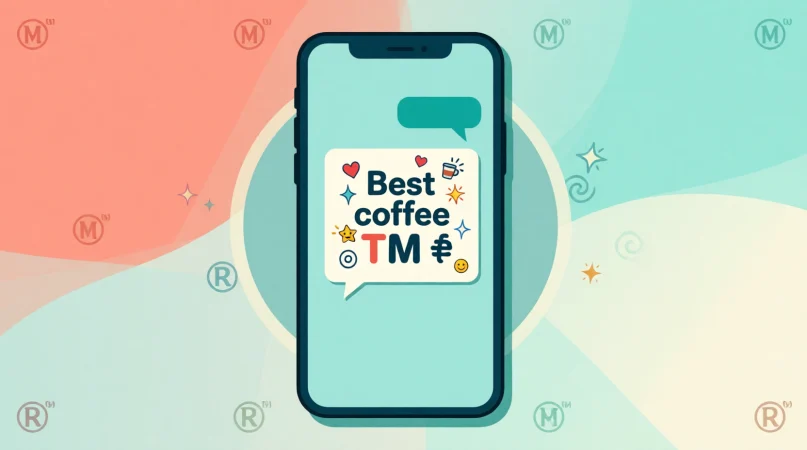
TM in text stands for Trademark, often used to indicate that a word, phrase, logo, or symbol is a trademarked term.
In online conversations, social media, and texting, TM can also be used humorously, sarcastically, or casually to claim “ownership” of an idea or statement.
Whether you’re scrolling through Twitter, texting friends, or reading product descriptions, seeing TM can spark curiosity. But what exactly does it mean in everyday text messages? Let’s break it down in a clear, friendly way.
Origin of TM
The abbreviation TM comes from the legal world, standing for Trademark. A trademark is a symbol, word, or phrase legally registered or claimed by a company to identify its products or services.
- Historical roots: The concept of trademarks dates back hundreds of years. Bakers, craftsmen, and artisans would mark their goods with a symbol to distinguish their work.
- Legal usage: In modern business, using TM indicates that the creator claims ownership of a brand or name, even if it’s not officially registered with a government trademark office.
- Texting trend: Over time, TM found its way into casual texting and social media, where people humorously tag ideas, jokes, or phrases as “theirs” using ™ or TM.
Fun fact: The registered trademark symbol ® is different—it means the trademark is officially registered, while TM can be used without legal registration.
Why TM Became Popular in Text
TM’s rise in digital communication is partly due to the playful nature of online conversations. People began using TM to:
- Claim ownership of ideas or jokes – For example, texting “Best pizza in town TM 🍕” jokingly claims that phrase as theirs.
- Add humor or sarcasm – Using TM after a bold or witty statement gives it a funny or slightly boastful tone.
- Emphasize uniqueness – It can signal that something is special or original.
Example in social media context:
- Friend: I made the perfect pancake!
- You: That’s the ultimate pancake recipe TM 🥞
Here, TM is clearly playful and informal.
How TM Is Used in Texts
TM can appear in different ways depending on the tone and context:
| Context | Example | Tone |
|---|---|---|
| Friendly / humorous | Best cat memes TM 🐱 | Light, playful |
| Neutral / casual | Weekend plans TM | Informal, conversational |
| Sarcastic / dismissive | Genius idea TM 🙄 | Playful sarcasm |
| Branding / business | CompanyName™ | Professional, legal |
Key tip: When using TM in casual texting, it’s mostly for humor or emphasis, not legal purposes.
TM vs. Other Similar Abbreviations
People often confuse TM with other symbols or abbreviations. Here’s a quick comparison:
| Abbreviation | Meaning | Usage Example | Notes |
|---|---|---|---|
| TM | Trademark | Best burger TM 🍔 | Casual or legal claim of ownership |
| ® | Registered Trademark | BrandName® | Officially registered trademark |
| SM | Service Mark | ServiceNameSM | For services instead of products |
| FYI | For Your Information | FYI, the meeting starts at 3 PM | Common texting abbreviation |
| LOL | Laugh Out Loud | That joke made me LOL 😂 | Internet slang, not legal |
The table shows TM’s unique role in bridging formal branding with casual internet language.
Examples of TM in Text Messages
Here are some clear examples with context:
- Friendly / humorous:
- That’s my coffee ritual TM ☕
- This joke is hilarious TM 😂
- Neutral / casual:
- Weekend vibes TM 🌞
- Best playlist TM 🎵
- Sarcastic / dismissive:
- Sure, that’s the plan TM 🙄
- I’m a fashion icon TM 👗
Notice how TM adds a “signature” touch, showing ownership or emphasis.
Alternate Meanings of TM
While TM mostly stands for trademark, it can have other meanings depending on context:
- Texting / Chat abbreviations:
- Too Much – e.g., That drama is TM 😬
- Team – e.g., Go team TM!
- Gaming or tech:
- TM can appear as shorthand for “Team Mode” in online games.
- Some apps use TM in internal coding or status markers.
Important tip: Always check context before interpreting TM—tone and surrounding text matter.
Polite or Professional Alternatives
If you want to convey emphasis or ownership in professional settings, there are alternatives:
- Trademark symbols: Use ™ or ® formally in product names.
- Phrases:
- “Original idea by [Name]”
- “© [Year] [Name/Company]”
- “Inspired by [Name]”
- Professional tone: Avoid using TM humorously in formal emails; it might seem unprofessional.
Common Misunderstandings About TM
Some people assume TM:
- Means legally registered – Only ® confirms official registration.
- Is only for companies – Individuals can use TM humorously online.
- Is serious in texting – Often, it’s meant to be playful or sarcastic.
FAQs
1. What does TM mean in a text message?
TM usually means Trademark, but in texts, it’s often used humorously to claim an idea or phrase.
2. Is TM legally binding?
No, TM can be used without registration. Only ® indicates a legally registered trademark.
3. Can I use TM in my social media posts?
Yes, it’s common to add TM for jokes, phrases, or personal claims.
4. How is TM different from ®?
TM shows a claimed trademark, ® shows it’s officially registered.
5. Can TM be sarcastic in texting?
Absolutely! Many people use TM after a witty or exaggerated statement.
6. Are there alternatives to TM in casual text?
Yes, phrases like “my idea” or emojis can replace TM for humor or emphasis.
7. Does everyone understand TM in texts?
Mostly younger audiences or social media users recognize it; context helps avoid confusion.
8. Can TM mean something else?
Yes, sometimes it stands for Too Much, Team, or other abbreviations depending on context.
Practical Tips for Using TM in Text
- Use TM humorously or casually, not in serious legal claims.
- Add emojis for a playful effect.
- Avoid using TM in formal or professional emails.
- Check context to ensure readers understand your intended tone.
- Combine TM with your own signature phrase for fun: “Best taco in town TM 🌮”
Conclusion
In texting, TM is a versatile abbreviation that adds flavor to your messages. Whether you’re jokingly claiming ownership of a witty phrase, emphasizing a statement, or referencing a brand, understanding TM helps you communicate clearly and creatively.
- Pro tip: Always consider your audience TM works well with friends and social media but not in professional correspondence.
Using TM wisely can make your texts more engaging and expressive, giving your words that “official yet fun” flair.

Justin Young is a passionate Digital Creator and Content Writer who specializes in crafting engaging, informative, and results-driven content. He focuses on creating high-quality, blog posts, and digital content that capture attention and deliver real value to readers. With a strong interest in storytelling, trends, and online growth, Justin helps brands and individuals connect with their audiences through clear, impactful, and creative writing.